
Sensors in manufacturing have monitored processes for decades, but until recently, technical constraints like system noise limited their value. Today, the Internet of Things (IoT) has empowered sensors with microprocessors, transforming them into Smart Sensors capable of locally processing complex data. These Smart Sensors analyze measurements instantly, make decisions without external systems, and share insights via communication standards like Wi-Fi or Bluetooth. These sensors boost operational efficiency and facilitate cost optimization by combining local computing, standardized communication, and onboard diagnostics, reducing maintenance needs.
Monitor Equipment Health and Conditions with Sensors
Using sensors throughout the supply chain, smart sensors collect real-time data on equipment utilization rates and analyze temperature, vibration, and pressure levels, providing a 360° operational view. This constant monitoring enables Predictive Maintenance, extending equipment lifespan by detecting mechanical anomalies, and allowing teams to replace worn bearings before failures disrupt production.
Specifically tracking:
- Temperature sensors: identifying motor overheating
- Vibration sensors: detecting misalignment risks
- Pressure sensors: flagging hydraulic system leaks
Conversely, delaying action until valves jam or motors seize risks costly shutdowns more frequent in reactive factories, compromising machine health. While monitoring machine health prevents breakdowns, these sensors’ versatility extends to supply-chain efficiency.
Optimize Logistics and Asset Management Using Sensors
Beyond the production line, Sensors create GPS-powered transparency. Outfitting trucks and tools with low-cost devices provide real-time monitoring of mobile assets across warehouses and distribution centers. This data allows you to confirm deliveries instantly while preventing “where’s my shipment?” frustrations through continuous fleet tracking.
Supply chain teams gain unexpected benefits from sensor alerts. Sensors trigger instant notifications when pallets deviate from expected routes, temperature-controlled trailers lose refrigeration, or high-value tools sit idle for weeks. These warnings often expose inefficient workflows, equipment underutilization, and theft risks before they spiral into higher costs.
Automated inventory control solutions demonstrate smart sensors’ hidden value. Shelves with connected presence detectors notify restocking systems when bin levels dip below thresholds. Imagine avoiding production delays through RFID-tagged components that literally signal when their storage locations run empty.
Key monitored conditions include:
- Asset location precision via GPS/RFID coordinate trackin
- Presence verification on loading docks and warehouse shelves
- Temperature control for cold chain-sensitive materials
- Motion activation patterns revealing usage bottlenecks
With sensors transforming logistics visibility, operations leaders now confront a new opportunity to effectively leverage this flood of diagnostic data to drive strategic supply chain decisions, a challenge.
Leveraging Sensor Data Effectively in Manufacturing Operations
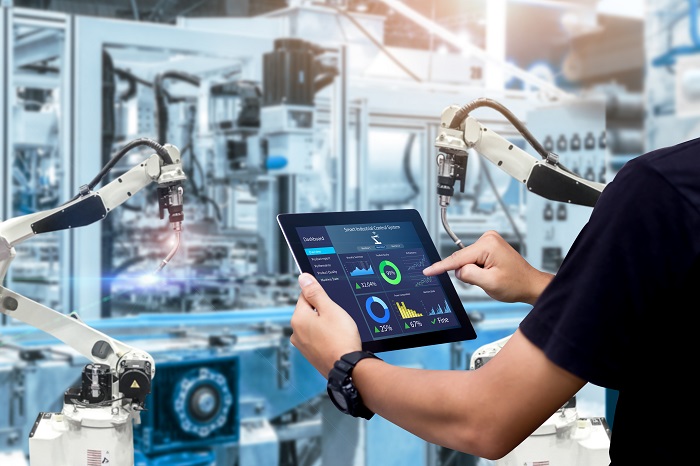
While Sensors generate vast streams of measurements, raw data alone is often just noise. Effective Data Management is crucial. Before analysis, you must add contextual anchors like time stamps and machine IDs to transform raw readings into meaningful information. But does this data truly drive Actionability? You need to connect readings directly to strategic goals, like cost reduction or quality improvement.
This is where Data Standardization becomes vital, converting diverse sensor outputs into a common format. With standardized data, specialized platforms perform Data Aggregation and Data Analysis. This process reveals hidden patterns and flags anomalies indicating potential issues before they escalate. Visualizing these findings via Dashboards, perhaps showing alerts on factory floor displays, makes insights readily accessible to your team.
Ultimately, the goal is to achieve Actionable Insights. Implementing Advanced Analytics and AI techniques can uncover deeper optimization opportunities or even forecast performance issues. Mastering this data journey turns sensor streams into powerful tools for operational excellence, setting the stage for enterprise-wide transformation.
Read More : What is 4D Printing Technology?
Embrace Sensors for Sustainable Improvements
In conclusion, Sensors deliver transformative advantages by reducing downtime, streamlining maintenance cycles, enhancing logistics coordination, and lowering operational costs. These tools generate actionable, real-time data that drives smarter asset management and supports proactive decision-making for continuous process refinement.
For SMB manufacturers, adopting sensor technology represents a strategic leap toward modernized, data-driven workflows rather than a distant ambition. Operational teams can start by identifying critical bottlenecks through operational audits and deploying pilot sensor integrations to quantify ROI potential. This measured approach balances scalable innovation with minimal financial risk while positioning businesses to outpace competitors through optimized resource allocation.